Breaking Down Barriers in the Creative Industries
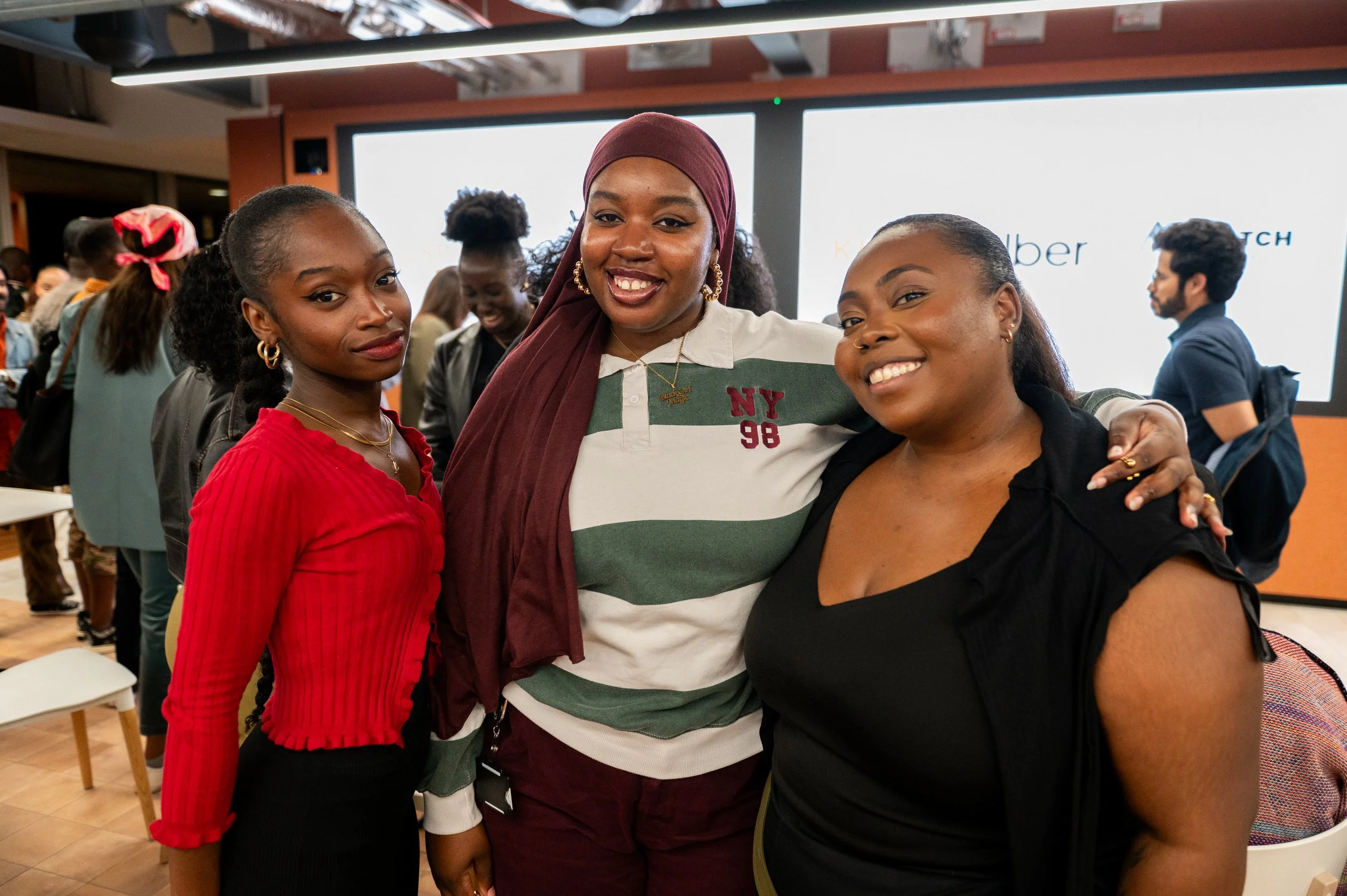
Masterclass; in partnership with Uber UK (ERG) and Hatch Films
Picture this: A talented young photographer from East London scrolls through job postings for fashion editorial positions. She has the eye, the technical skills, the hunger to create. But the role is unpaid for the first three months. She's just graduated university, and is working two part-time jobs to support herself . The opportunity slips through her fingers, not because she lacks talent, but because she can't afford to work for free.
This isn't a hypothetical scenario. It's the lived reality for thousands of creatives from diverse backgrounds across the UK.
The Numbers Tell a Stark Story
The creative industries have a diversity problem, and the statistics paint an uncomfortable picture. Just 16% of people working in creative fields come from working-class backgrounds. When Creative Access surveyed creatives about their biggest career obstacles, 47% cited financial barriers as having a major impact on their progression. For those from underrepresented socio-economic backgrounds, that figure jumps to 61%.
Those who attended private school earn nearly £6,000 more on average than their peers in the creative sector. These aren't just numbers on a page - they represent locked doors, missed opportunities, and untapped potential.
As Erica Lovett, Condé Nast's Inclusion and Community Manager, once observed: "There is a lack of opportunity and access for people of underrepresented backgrounds in the fashion industry. It's a systemic issue tied to the homogeneity of industry leadership." A report found that only 9 percent of executive roles within fashion and 11 percent of C-suite roles are held by people of colour and just 39 percent of executive teams and 24 percent of C-suite roles are occupied by women.
When Diversity Is Missing, Everyone Loses
The consequences of this exclusion ripple far beyond individual careers. When the creative industries lack diverse voices, we all experience the fallout. Content becomes homogeneous. Stereotypes get reinforced rather than challenged. Fresh perspectives and innovative ideas go unheard. Entire market segments remain untapped because the people who understand them aren't in the room where decisions are made.
For individuals from marginalised backgrounds, the impact is deeply personal. The feeling of not seeing yourself reflected in the industry you dream of joining, especially in leadership roles - I had the same personal experience when I worked in advertising. The absence of role models who've walked a similar path. Career confidence slowly erodes when every door requires a connection you don't have or an unpaid internship you can't afford - and we’ve seen this firsthand speaking with creatives within The Kusp community.
The Root of the Problem Runs Deep
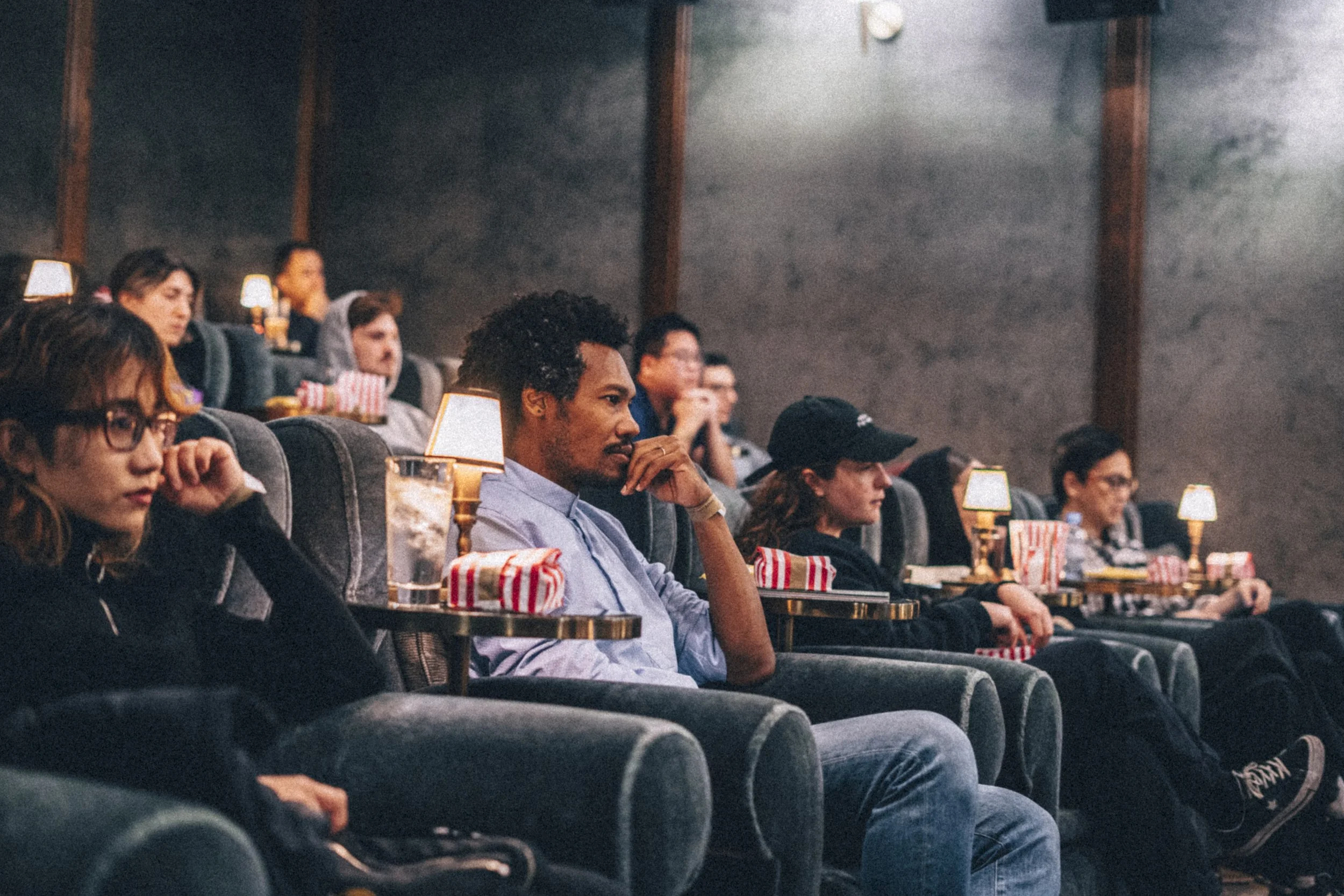
Panel Talk & Directors Showcase; in partnership with WePresent
The barriers aren't accidental - they're systemic. Unconscious bias in hiring practices favours candidates who fit traditional molds. Quality arts education programs remain underfunded in many schools. Professional networks operate through informal referrals and exclusive events that feel designed to keep outsiders out; all while leadership positions lack diversity, having a domino-effect on organisational cultures where certain voices struggle to be heard.
As we’ve witnessed , even some well-intentioned diversity initiatives miss the mark. Programs are short-term, lack long-term aftercare for talent to truly foundations; so they get the visibility but root issues remain. Tokenism leads to individuals feeling used rather than valued. Without sustained investment and genuine commitment, these efforts create a revolving door.
A Different Approach: Curated, Sustainable, Community-Driven
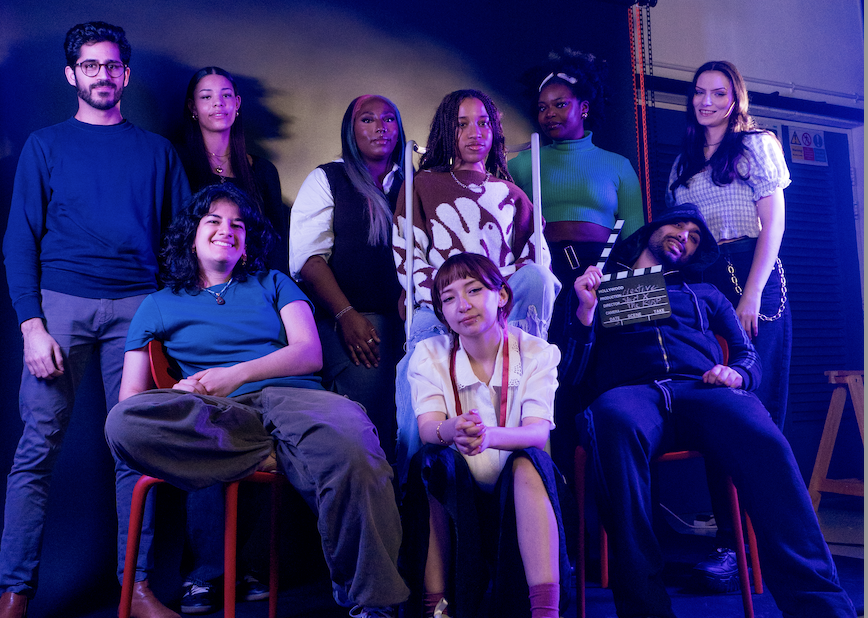
5-week Talent Development Programme; in partnership with University of the Arts London
This is where The Kusp diverges from the traditional playbook. We recognized that upskilling and access programs have largely taken a one-size-fits-all approach, overlooking something fundamental: people are different. Introverts and extroverts need different pathways to connection. Not everyone thrives in the same networking environments or learns in identical ways.
Our curated experiences and membership model - The Kusp Club - acknowledge these differences. We create intimate masterclasses with reputable industry specialists - capped at 30 participants, both online or in-person - where genuine learning and connection can happen. Our “Secret Sessions” offer portfolio reviews with just five creatives at a time, providing the kind of detailed, constructive feedback that actually moves careers forward. We facilitate ongoing in-person UK-wide community meet-ups where lasting creative connections can be formed, rather than one-off encounters that lead nowhere.
We also work collaboratively with our upskilled community members, involving them in client projects and content creation for brands like Logitech and Apple Beats. We recognise that the creatives we support have valuable contributions to make right now, not just someday in the future. We’ve even taken this to the next level with the introduction of a new, tech-enabled market network - The Kusp Hub.
Our mentorship programs enabled personalised guidance, genuine relationships, and accountability that actually sticks. We advise employers on creating impactful mentorship that goes beyond box-ticking exercises.
What’s The Vision?
In the medium term, we're working toward measurable increases in representation among ethnic minorities and lower socio-economic groups within fashion, film, television, and other media industries. Seeing greater retention of diverse talent within permanent and freelance gigs in the UK creative industries.
Long-term, our goal is ambitious but achievable: sustained growth reaching 15-20% representation of ethnic minorities, lower socio-economic, and neurodivergent or disabled groups within the creative workforce. We want 80-90% of our growing community reporting strong confidence in their career prospects. Seeing junior and mid-level creatives transitioning into senior and leadership positions, becoming the diverse industry leaders who can change the system from within.

Directors Showcase; in partnership with Somesuch
Why This Matters Now
The creative industries shape culture. They influence how we see ourselves and each other, and determine which stories get told and whose perspectives are valued. When these industries remain closed to huge swaths of talent, we all lose - whether it’s the individuals shut out, the audiences underserved, and the industry itself, which misses out on innovation, relevance and untapped revenue.
The Kusp exists because talent is everywhere, but opportunity isn't. We're here to build sustainable pathways, cultivate thriving communities, and prove that when you create the right conditions.
And when that happens, the entire creative landscape transforms for the better.